
Transforming Corporate Waste into Strategic Value.
Kenterra enables global enterprises to close the loop on resource management, driving ESG compliance and measurable operational efficiency through AI-powered waste-to-value systems.
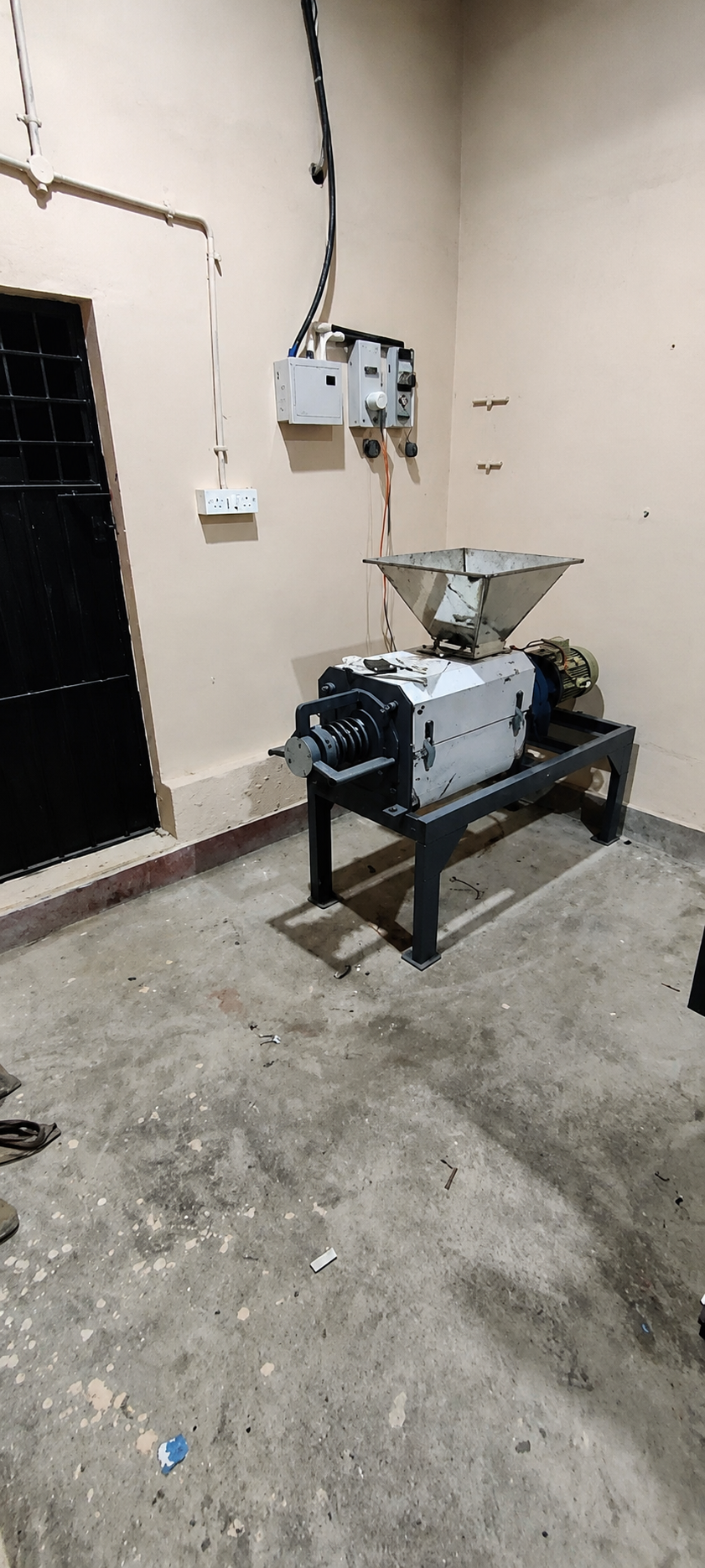
Urban Waste Generation (2023)
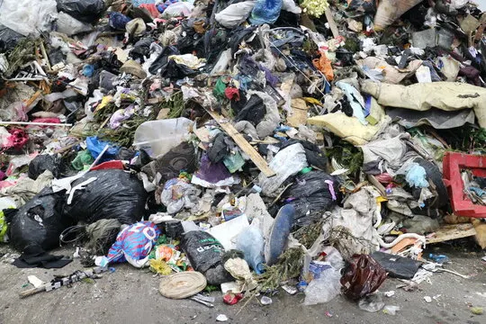
Total municipal solid waste generated in India (2023): ~160,000 tons/day
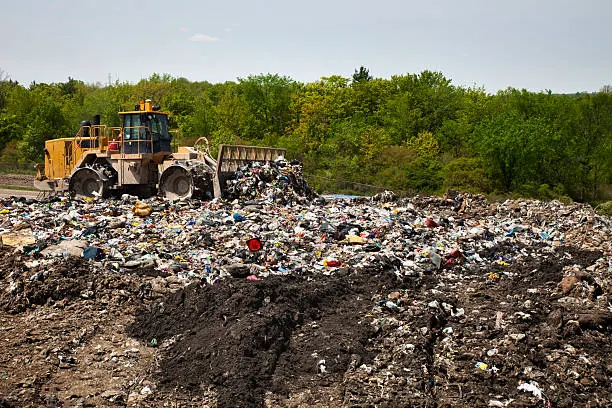
~1 lakh tons of this waste ends up in landfills due to insufficient segregation and treatment
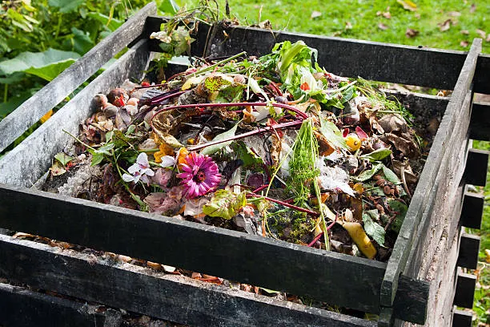
Organic (wet) waste constitutes nearly 50% of total waste — a key source of methane emissions
Environmental Impact
Improper waste management contributes to methane emissions, toxic air pollution from waste burning, and contamination of air, water, and soil, making effective waste processing essential for a healthier environment.
Sustainability is no longer a cost center. Kenterra’s circular economy framework delivers double-bottom-line impact for multinational corporations.
We implement color-coded waste segregation systems with clear signage, employee awareness programs, onsite waste handling, and regular audits to improve segregation efficiency, reduce transportation emissions, and ensure effective waste management.
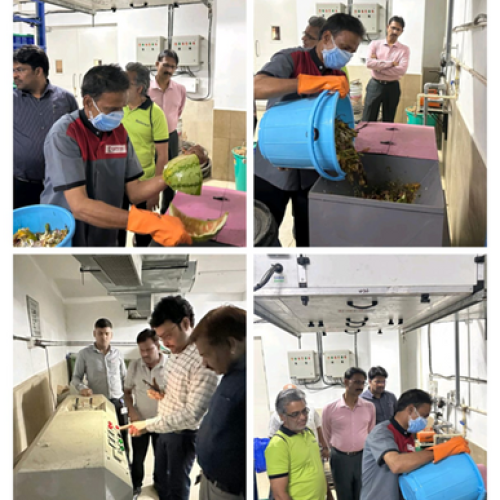
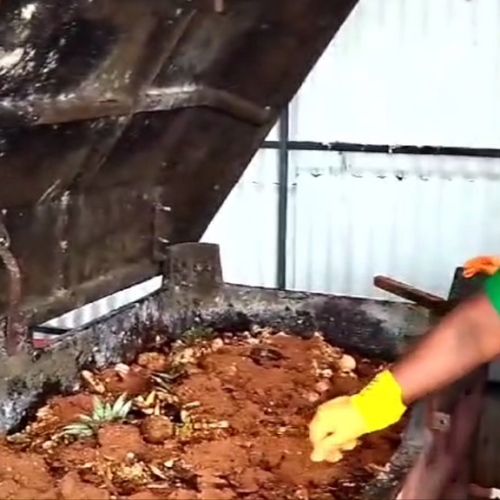
Designed for corporate cafeterias, the ODU reduces food waste volume by up to 50%, controls odor and leachate, prevents maggot formation, and prepares waste for faster, more hygienic composting—all in compact ODU’s ranging from 50kg/hr to 1000’s of Kg’s/Hr.
Durable Fiber Reinforced Plastic composting bins with a 15–20 year lifespan, featuring built-in aeration and leachate collection for efficient composting without sawdust. Their compact, modular design makes them ideal for decentralized composting in campuses, offices, and other space-constrained environments.
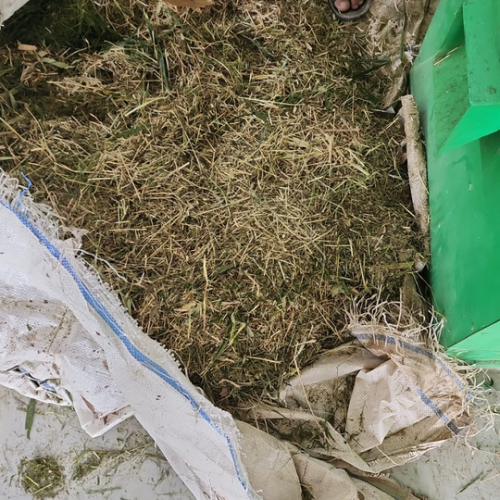
Efficiently shreds dry leaves, grass clippings, and small branches into compost-ready mulch, reducing waste volume and speeding up composting. With a robust capacity of 100–200 kg/hour, it minimizes the need to transport green waste offsite, lowering both costs and carbon emissions.
Designed for high volume garden waste, these modular composting boxes efficiently process garden waste from landscape area and fallen dry leaves from garden biodegradable waste from cafeterias and gardens
Will pulverise compost into uniform powder for easy use and transport
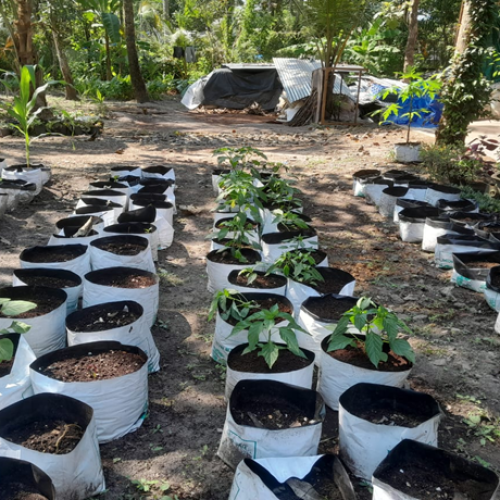
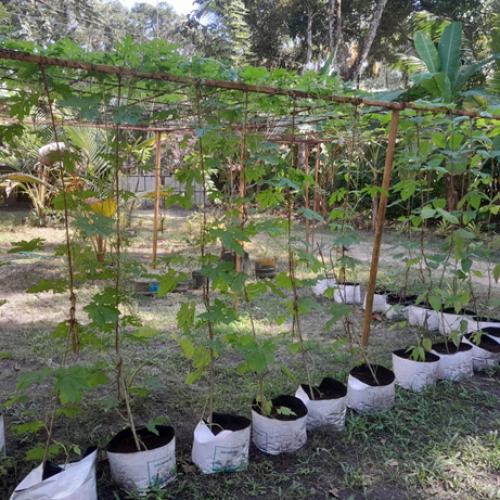
A natural microbial composting agent that accelerates decomposition, reducing composting time from 90 days to just 30–40 days. It effectively processes all biodegradable waste while controlling odor and producing hygienic, nutrient-rich compost with low EC (electrical conductivity) so that it can be used as a soil less planting media
Our waste-to-value solutions help organizations reduce landfill dependency, lower carbon emissions, conserve natural resources, and support greener urban environments through composting and circular waste management practices.


Get a free waste audit and a customized circular plan for your corporate needs.

Your Questions Answered
How can corporate offices achieve Zero Waste?
Corporate offices can move towards Zero Waste by implementing source segregation, composting food waste, recycling dry waste and minimizing waste generation through sustainable procurement. Periodic waste audits, employee awareness programs and digital monitoring help improve diversion from landfill while supporting ESG objectives and regulatory compliance.
Why should IT parks compost food waste?
Large IT campuses generate significant quantities of cafeteria waste every day. Composting at source reduces transportation costs, lowers greenhouse gas emissions and converts waste into valuable compost or soil-less planting media. It also demonstrates environmental leadership and supports ESG reporting.
How does waste management support ESG?
Scientific waste management reduces emissions, conserves natural resources and improves circularity. Measurable indicators such as waste diversion, recycling rate and compost generation strengthen ESG reporting and sustainability performance.
How can industries reduce landfill disposal?
Industries should maximize segregation, recycle recoverable materials and scientifically process biodegradable waste through composting or biogas. Continuous waste audits and employee participation further reduce landfill dependence.
Why conduct waste audits?
Waste audits identify the quantity and composition of waste generated, helping organizations reduce costs, improve recycling and design effective waste management systems.
What are the responsibilities of facility managers?
Facility managers oversee segregation, collection, contractor management, compliance, documentation, awareness programmes and continual improvement of waste management systems.
What is the ROI of decentralized waste management?
Organizations save on transportation and disposal costs while recovering value through compost, recyclables and improved operational efficiency.
How can employees improve segregation?
Regular awareness campaigns, colour-coded bins and clear signage enable employees to separate biodegradable, recyclable and reject waste correctly.
What are the benefits of office composting?
Office composting reduces disposal costs, cuts methane emissions, supports sustainability goals and produces useful compost for landscaping.
How can commercial buildings comply with SWM Rules?
Commercial buildings should segregate waste at source, process biodegradable waste scientifically, hand over recyclables to authorized recyclers and maintain required records.